TL;DR: We asked the same 39 buyer questions across four AI search engines, Google AI Overviews, ChatGPT, Claude and Perplexity, on the same day. Of the 770 brands the answers named, only 2% appear in all four. This is the story of what we learned and what you can do about it this week. Full data, methodology and per-industry findings live in the Adria AI Visibility Index.
Why we measured this at all
Every week we hear the same sentence: "We need to be visible in AI." Then we ask, so where are you now?
Silence.
Nobody knows, because nobody measures. A feeling is not data. So we decided to measure: we took questions real buyers actually ask, "best dental clinic in Zagreb", "recommend a CRM for a small business", "compare banks for a mortgage", and ran them through four AI engines. Same day, everything recorded: which brands, in what order, from which sources.
Lesson 1: "AI visibility" doesn't exist. Four visibilities do.
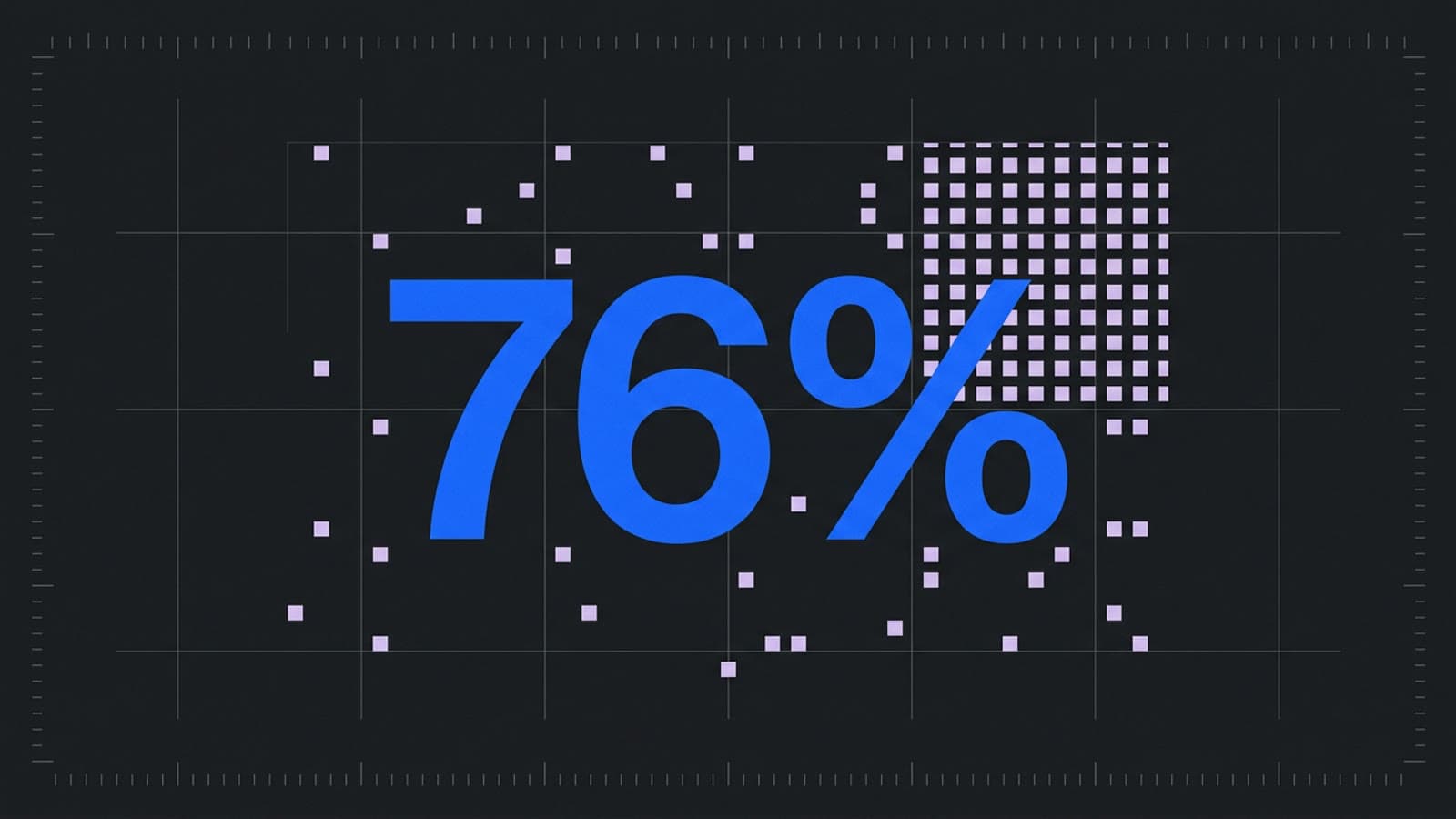
The biggest finding of the whole study: 76% of the brands named in AI answers appear in only one of the four engines. In all four, just 16 brands out of 770.
Which means the sentence "we show up in AI answers" almost certainly means "we show up in one AI answer, in one engine, today". Tomorrow it can be gone, in our measurements the edge of the answers churns week to week.
Practically: whoever does GEO for you on a single engine is doing a quarter of the job.
Lesson 2: the categories are empty, and that's the best news in the study
On a large share of questions, the engines explicitly say: "there is no single best." Google AI Overviews says it in 63% of its answers, Perplexity in 46%, ChatGPT in 36%.
You can read that as bad news, AI doesn't know who's best in your category. Or as what it actually is: the category has no owner yet. The first brand that assembles verifiable proof, concrete numbers, transparent pricing, certifications, published research, becomes the default answer. Not because it's the biggest, but because it's the only one that gave AI something to cite.
Lesson 3: engines reward the proof you publish yourself
When we asked for the best e-commerce marketing agency, ChatGPT built its shortlist almost entirely from agencies with a publicly announced Google Premier Partner status, citing their own announcements, not third-party lists.
The same pattern repeats across industries: transparently published prices get the most concrete answers (with exact euro amounts), published certifications and awards enter answers straight from your own pages. AI engines don't cite the prettiest pages, they cite the most verifiable ones. If your prices are "on request" and your certificates live in a drawer, you don't exist for AI.
Lesson 4: the buyer's language picks the sources, and it can be brutal
The sharpest finding comes from dental. Croatian patients get answers built from clinic websites and local directories. A foreign patient searching "best dental clinic in Croatia" in English? Three of the four engines build the answer almost exclusively from international platforms, Bookimed, Dental Departures, Qunomedical.
A translated website doesn't help there. The answer is built from sources in the language of the question, and those are platforms, not your site. The exception is ChatGPT, which already cites clinics with strong owned English content directly. If you sell to foreign buyers, that's the map: platforms for three engines, owned English content for the fourth.
What to do this week
- Measure where you stand. Ask five questions your buyers actually ask, in all four engines. Write down who appears and who doesn't. That's your baseline. Or let the free GEO Audit do it, and for continuous tracking and fixes, that is what GEO optimization is for.
- Publish one verifiable proof. A price list, a certification, a number from a real project. One page with concrete, checkable data beats ten "market leader" phrases.
- Check the directory that feeds your vertical. Every industry has a platform AI builds its answers from, check that you're on it, and how you look there.
The full report, methodology, all the numbers, findings for B2B SaaS, finance, e-commerce and dental, is in the Adria AI Visibility Index. The next edition will measure what changed.
Keep reading: What is GEO and how it differs from SEO · How AI engines choose who to cite