In short: AI search engines don't pick the prettiest design, they pick what can be verified. Content with cited sources and statistics gets up to 40% more visibility in AI answers (Princeton, KDD 2024), and citing sources lifted the visibility of a page ranked fifth by 115.1%. Schema is a strong correlation but weak evidence of cause: pages AI cites carry JSON-LD almost 3 times more often than uncited ones, yet 1,885 pages that actually added it gained no citations at all (Ahrefs, 2026). And no major AI crawler except Googlebot executes JavaScript (Vercel, 2025). Below are all 15 conditions our GEO Audit checks: same names, same order, same criteria.
When ChatGPT or Perplexity assembles an answer, it looks for a sentence it can quote and verify: a number with a source, a named author, clean HTML readable without a browser. We wrote in detail about how AI search engines pick their sources. This is the operational side: 15 conditions in four groups, exactly as our GEO tool (Generative Engine Optimization, optimizing for AI answers) scores them. For each one: what it is, how much evidence actually backs it, and how to check it in a minute.
For several conditions the evidence is weaker than it is usually sold. That is written next to them. A checklist that presents all 15 items as equally proven is not a checklist, it is a sales sheet.
"The most common finding in our audits isn't exotic. Tidy site, decent content, but not a single number with a source, not a single named author, and half the content loads through JavaScript the AI crawler never executes. Three fixes, three leagues of difference in visibility."
, Marko Hrnjak, Head of Marketing Technology, Risely Digital
Content and structure
1. The answer up front (TL;DR block)
The first sentences have to deliver the answer, with numbers, no warm-up. AI models don't read for atmosphere; they look for the fastest route to a usable claim. An analysis of 1.2 million AI answers and 18,012 verified citations (Kevin Indig, 2026) shows 44.2% of citations come from the first 30% of the content, 31.1% from the middle, and 24.7% from the final third, with a sharp drop before the footer. Check: read the first 150 words of your key page. Can a concrete claim with a number be quoted out of it?
2. Headings as questions, no skipped levels
Write headings as the questions your customers actually ask, in a clean hierarchy: H1 → H2 → H3, no gaps. Models split a page into blocks along headings, and a clean hierarchy gives 2.8 times higher odds of being cited (AirOps, 2026). That is vendor data from a company selling AI visibility tooling, not an independent measurement: enough to justify tidying a hierarchy, which costs nothing anyway, too little to be your main argument. Check: open the heading outline (view-source or a browser extension) and look for a jump from H2 to H4.
3. Statistics with named sources
Use precise numbers and name the source next to each one. This is the strongest evidence on the entire list. The Princeton GEO study (KDD 2024) tested nine ways of writing across roughly 10,000 queries: the three best methods, citing sources, adding quotations and adding statistics, delivered 30 to 40% better visibility, with the single best method at 41%.
Stay on one number from that paper that rarely gets quoted: citing sources raised the visibility of a page ranked fifth by 115.1%. The biggest jump goes to whoever ranks lowest, which is the reverse of everything in classic SEO, and that makes it the most concrete opportunity a smaller player currently has. "Many studies show" without naming the study doesn't pass, not with us and not with the models. The same research measures the other side too: keyword stuffing was the only tested tactic with no lift at all, and below baseline in part of the measurement. Check: count the numbers on your page that have a named study or source next to them. Aim for at least three.
4. An FAQ section in your customer's words
Four to six questions phrased exactly the way customers say them. Answers up to 80 words, with no claims that don't appear elsewhere in the text. A block that holds a question and its answer together is a ready-made citation for a model, and with FAQPage schema (condition 10) it becomes machine readable too. Check: read your FAQ questions out loud. Would a customer phrase them that way, or are they written for yourselves?
Technical access for AI crawlers
5. robots.txt: GPTBot, PerplexityBot, Google-Extended
robots.txt must not block AI crawlers. If they are blocked you exist neither in the answer index nor in the data the models learn from: the most trivial condition on the list, and it takes down the other fourteen. Check: open yourdomain.com/robots.txt and see whether GPTBot, PerplexityBot or Google-Extended sits under "Disallow".
6. Content visible without JavaScript (SSR)
Everything that matters has to be in the HTML the server returns on the first request. Vercel, together with MERJ, analysed more than 500 million GPTBot fetches and found no evidence of JavaScript execution at all. The bots download the files (GPTBot in 11.5% of requests, ClaudeBot in 23.84%) but never run them. The same holds for PerplexityBot and Bytespider. One exception: Googlebot does render JavaScript, and through it Gemini sees what the others cannot. If your visibility depends on anything beyond Google's AI, whatever renders only in the browser does not exist for AI. Check: turn JavaScript off and reload the page. What you see then is what AI sees.
7. Page speed and availability
The page has to respond fast and stay up. Crawlers work with a limited budget per domain: a slow or unstable server means fewer URLs visited and an older copy of your content when a model assembles its answer. No study has isolated the effect of speed on citation rates. It is on the list as a precondition for crawling, not as a proven signal. Check: run your key pages through PageSpeed Insights and see whether the server buckles under load.
8. llms.txt presence
A proposed file that hands AI models a plain-text summary of your site. Now, let's be honest: SE Ranking measured roughly 300,000 domains and found no measurable effect of llms.txt on citation frequency, and their model actually predicted better once the factor was removed, meaning the file added noise rather than signal. Only 10.13% of domains have it, and almost none of the highest-traffic ones do. Google has said it does not use it. It costs an hour, so publish it, but don't let anyone sell it to you as a turning point. Check: does yourdomain.com/llms.txt exist, and, more importantly, do you know why you do or don't have it?
Schema and entities
9. Article / Organization / Person JSON-LD
Three basic schema types: what it is (Article), who stands behind it (Organization) and who wrote it (Person). Pages AI cites carry JSON-LD almost 3 times more often than uncited ones (Ahrefs, 2026, 6 million URLs).
Here is the part checklists usually skip. The same team then took 1,885 pages that actually added JSON-LD between August 2025 and March 2026, matched them against 4,000 control pages with a similar starting point, and measured citations 30 days before and 30 days after. No platform showed a meaningful increase. Their conclusion: schema is a marker that somebody runs the site properly, not a lever that earns citations on its own. So why is it still on the list? Because it solves a different problem, entity resolution, and that is a precondition for conditions 11 and 12, where the evidence looks better. Check: run the URL through validator.schema.org. All three types must be present and error-free.
10. FAQPage and BreadcrumbList schema
FAQPage turns the section from condition 4 into machine-readable question and answer pairs; BreadcrumbList tells the model where the page sits in the site structure. The evidence for the markup itself is weak, and that deserves to be said out loud: SE Ranking (2026) measured that pages with FAQ schema get an average of 3.6 ChatGPT citations against 4.2 for pages without it, while correlations for the other types are effectively zero. On top of that, Google killed FAQ rich results back in 2023, so the markup no longer earns an enhanced listing either. It has one job left: making your FAQ machine readable. Check: run the page through Google's Rich Results Test and look for both types.
11. sameAs links (LinkedIn, Wikidata and so on)
Organization and Person schema need sameAs links to profiles that confirm you are in fact you. AI models resolve entities through public databases: Wikipedia accounts for 47.9% of citations among ChatGPT's ten most cited sources, or 7.8% of all of them (Profound, 2025 - 680 million citations). sameAs is the cheapest way to tie your brand to an entity rather than to a random string of letters. This is the condition I failed in my own audit: my Person schema had one sameAs, Organization had four. The agency was better resolved as an entity than the human, and the human signs the articles. Check: does your Organization schema contain at least LinkedIn, and Wikidata if an entry exists?
12. An author with credentials (E-E-A-T)
A named author, a role, a short bio and Person schema. An anonymous "admin" carries nothing, not for the model and not for the customer. The evidence is indirect but points the right way: adding quotations from named sources is one of the three best methods in the Princeton study, and Ahrefs measured 75,000 brands to find that brand mentions correlate with AI answer visibility far more strongly (0.664) than raw backlinks (0.218). A named author is the cheapest way to create something that can be mentioned at all. Check: does the article carry a byline with a name and a role, and can that author be found on LinkedIn?
Visibility in AI answers
13. Does AI mention you on local-language queries
A visibility test in the language your customers actually use. Global tools test English queries, while AI answers a Croatian question from a far thinner pool of sources: less competition for the citation, better odds the model names you specifically. But first you need a baseline. Check: ask ChatGPT and Perplexity five questions your customers genuinely ask, in your market's language, and note whether you get mentioned.
14. Who from your industry shows up instead of you
AI answers are built from a limited pool of sources: on Perplexity, Reddit accounts for 46.7% of citations among the ten most cited sources, or 6.6% of all of them (Profound, 2025). If the answer isn't about you, it's about somebody else. Once you know who and through which sources, you also know where you need to show up. Check: in the answers from condition 13, list every named brand and the source standing behind it.
15. Content freshness (dates, updates)
Models measurably prefer fresh material: around 65% of AI crawler visits go to content published in the last year, and on Perplexity roughly half of all citations point to content from the current year (Seer Interactive, 2025). Ahrefs measured the same thing across 17 million citations with a different metric: a cited page averages 1,064 days, a page from the organic top 10 averages 1,432, so cited content runs 25.7% fresher. The same analysis warns that the popular "4.3x more citations for fresh content" claim has no source. A publish date without a modified date is half the job. Check: do your key pages carry datePublished and dateModified in schema, and when did you last actually change them?
What the numbers show, the evidence, summarised
| Condition | Measured effect | Source |
|---|---|---|
| Statistics + cited sources (3) | three best methods 30 to 40%, best single method 41%; citing sources +115.1% for a page ranked fifth (controlled experiment, peer reviewed) | Princeton GEO, KDD 2024 |
| Answer up front (1) | 44.2% of citations from the first 30% of content (correlation) | Kevin Indig, 2026 - 1.2M answers, 18,012 citations |
| Heading hierarchy (2) | 2.8 times higher odds of being cited (vendor data) | AirOps, 2026 |
| Schema markup (9, 10) | cited pages carry JSON-LD almost 3 times more often (correlation), but adding schema to 1,885 pages produced no lift (experiment) | Ahrefs, 2026; SE Ranking, 2026 |
| SSR without JavaScript (6) | 0 evidence of JS execution across 500M+ requests; Googlebot is the exception | Vercel and MERJ, 2025 |
| llms.txt (8) | no measurable effect; the model predicts better without the factor | SE Ranking, 2025 - ~300,000 domains |
| Brand mentions (12) | mentions 0.664, backlinks 0.218 (correlation) | Ahrefs, 2025 - 75,000 brands |
| Freshness (15) | ~65% of AI crawler visits to content under a year old; cited content 25.7% fresher | Seer Interactive, 2025; Ahrefs |
| Keyword stuffing | no lift, below baseline in part of the measurement | Princeton GEO, KDD 2024 |
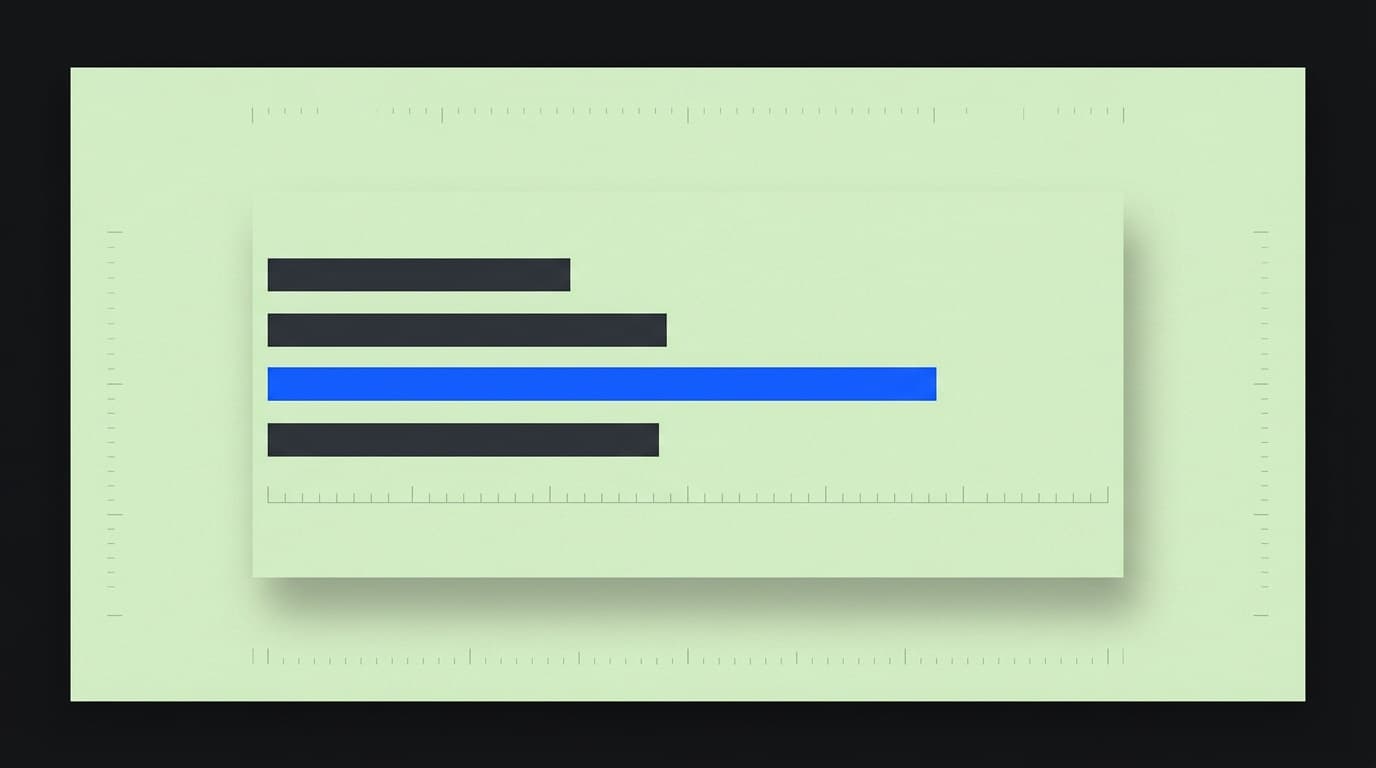
Fifteen conditions, none of them philosophical: each can be checked in a minute. But they don't all stand equally firm, and that is the point of this table. Condition 3 rests on a peer-reviewed experiment, condition 9 rests on an experiment that showed no effect, and condition 7 rests on nothing but crawl logic. Do the things with the strongest evidence first.
If you'd rather not check by hand: GEO Audit runs all 15 automatically and returns a prioritised report. It's free. And once the report shows where you're leaking, GEO optimization is the discipline that fixes it systematically: measure, fix, measure again. Because even after the share of citations coming from the organic top 10 in Google's AI answers fell from around 76% to 37.9% in eight months (Ahrefs, 2025–2026, 863,000 keywords), the organic top 10 remains the single largest source of citations: skip the fundamentals and you skip the citation too.
Frequently asked questions
Which condition on the checklist has the biggest measured effect?
Citing sources. In the Princeton study (KDD 2024) it raised the visibility of a page ranked fifth by 115.1%, the largest single number in the whole paper. The three best methods together, sources, quotations and statistics, deliver 30 to 40% more visibility. Schema is weaker than people assume: the correlation is strong, but a controlled experiment on 1,885 pages showed no lift.
Why can't AI see my content even though the page is live?
Usually because the content loads through JavaScript. Major AI crawlers don't execute it: Vercel found no evidence of execution across more than 500 million GPTBot requests. They see only the initial HTML, so the fix is server-side rendering or static HTML. Googlebot is the exception, but it covers Google's AI answers only.
Do I have to publish llms.txt?
No. SE Ranking found no measurable effect of llms.txt on citation frequency across roughly 300,000 domains, and their model predicted better once the factor was removed. Google has said it doesn't use it. The file is cheap, so publish it if you like, just don't expect movement.
Does schema markup help AI cite me?
Not directly, as far as anyone can measure so far. Cited pages carry JSON-LD almost 3 times more often than uncited ones, but when Ahrefs tracked 1,885 pages that added it, citations didn't move on any platform. Schema still has a job: it resolves you as an entity and carries the sameAs links from condition 11.
Does the same checklist apply to non-English markets?
It does, and that's where the opportunity is largest. AI answers questions in Croatian from a thinner pool of sources than it does in English, so meeting these conditions converts into citations faster. That's why the checklist also tests visibility on local-language queries (conditions 13 and 14).
Keep reading: Schema markup for AI search · What is GEO and how it differs from SEO